Self assessment deadlines for the 2026/27 tax year

For the 2025–26 tax year, the key self assessment deadlines are: register by 5 October 2026, file a paper return by 31 October 2026, file online by 31 January 2027, and pay any tax owed by 31 January 2027. A second payment on account is due by 31 July 2027. If you want HMRC to collect tax through your PAYE tax code, file online by 30 December 2026.
Missing these dates has real consequences:
- Miss the filing deadline and an automatic £100 penalty applies immediately.
- Further penalties follow at 3, 6 and 12 months after the deadline.
- Unpaid tax accrues interest from 31 January, regardless of whether you have filed.
The sections below cover each date in detail, explain how filing method affects your deadlines, set out the penalty schedule, and give practical steps if you have already missed a date.
Key takeaways
The single most important action is to file your Self Assessment return as early as possible after 6 April, because an automatic £100 penalty applies the moment the deadline passes.
| Point | Details |
|---|---|
| Registration deadline | Register with HMRC by 5 October 2026 if you are new to Self Assessment for 2025–26. |
| Filing deadlines | Paper returns by 31 October 2026; online returns by 31 January 2027. |
| PAYE collection cut-off | File online by 30 December 2026 to have tax collected through your tax code. |
| Payment dates | Balancing payment and first payment on account by 31 January 2027; second payment on account by 31 July 2027. |
| If you miss a deadline | File immediately, pay what you can, and contact HMRC about Time to Pay to limit further penalties. |
| Ledgery | Ledgery provides receipt scanning, quarterly HMRC summaries and deadline reminders to help self-employed individuals and landlords file on time. |
Table of Contents
- Key self assessment dates for the 2026/27 cycle
- Who must file a Self Assessment return and when you can start
- How paper and online filing differ, and the PAYE collection cut-off
- Paying what you owe: balancing payments and payments on account
- Penalties, interest and how HMRC enforces late filing or payment
- If you miss a deadline: immediate steps, appeals and limiting further penalties
- Practical ways to avoid missing deadlines: bookkeeping, timing and tools
- Ledgery takes the pressure off Self Assessment deadlines
- Sources
Key self assessment dates for the 2026/27 cycle
The table below sets out every significant date in the 2025–26 Self Assessment cycle, what it requires, and who it applies to. All dates are confirmed by HMRC’s deadlines page and the SA150 notes 2026.
| Date | What it is | Who it applies to |
|---|---|---|
| 5 October 2026 | Registration deadline for Self Assessment | Anyone who became self-employed, a landlord, or had untaxed income in 2025–26 for the first time |
| 31 October 2026 | Paper return deadline | Anyone filing a paper SA100 return |
| 30 December 2026 | Online filing cut-off for PAYE tax-code collection | Taxpayers who want HMRC to collect tax owed through their PAYE code |
| 31 January 2027 | Online return deadline and balancing payment due | All online filers; all taxpayers with a balancing payment |
| 31 January 2027 | First payment on account due | Taxpayers whose Self Assessment bill exceeds £1,000 and who have insufficient tax collected at source |
| 31 July 2027 | Second payment on account due | Same taxpayers as above |
A few edge cases to note. If HMRC sends you a notice to file late in the tax year, your deadline may shift to three months from the date on that notice rather than the standard 31 January date. If you believe you do not need to file, contact HMRC by 31 January to avoid penalties.
Who must file a Self Assessment return and when you can start
Not everyone needs to file. HMRC requires a Self Assessment return from:
- Self-employed individuals with trading income above £1,000.
- Landlords with property income above £1,000.
- Individuals with untaxed income (savings interest, dividends, foreign income).
- Higher earners with income above £100,000.
- Anyone who received a notice to file from HMRC, regardless of income level.
Registration is the first obligation. If you were self-employed or received untaxed income in 2025–26 for the first time, you must register with HMRC by 5 October 2026. Missing this date can itself attract a penalty, and it may leave you without a Unique Taxpayer Reference (UTR) in time to file by January.
Once registered, you can submit your return at any point after 6 April 2026. HMRC advises filing early so you know what you owe and have time to budget or set up a payment plan. If your year-end accounts are not finalised by the time you want to file, you can use provisional figures and then amend the return within 12 months of the deadline. This is an accepted approach and avoids the risk of filing late simply because final numbers are not ready.
How paper and online filing differ, and the PAYE collection cut-off
The filing route you choose directly affects your deadline.
| Filing method | Deadline | PAYE collection eligible? |
|---|---|---|
| Paper (SA100) | 31 October 2026 | No |
| Online (HMRC portal or software) | 31 January 2027 | Yes, if filed by 30 December 2026 |
Paper filing gives you three fewer months than online filing. The trade-off is simplicity for those who prefer a physical form, but the earlier deadline means less time to gather figures. Online filing extends the deadline to 31 January 2027 and opens the option of PAYE collection.
The 30 December 2026 cut-off is specific to PAYE collection. If you file online by that date, HMRC may collect tax owed through your tax code in the following tax year, spreading the cost across your payslips rather than requiring a lump-sum payment in January. However, HMRC only does this under certain conditions: the amount owed must be below a set threshold and you must have sufficient wages or pension income for the collection to be practical. Class 2 National Insurance contributions cannot be collected via PAYE. Check the relevant boxes in your SA100 and review the SA100 completion guidance to confirm eligibility before relying on this route.
If HMRC sends you a notice to file after the standard dates, your deadline may become three months from the date on that notice.
Pro Tip: Check your PAYE collection eligibility in late November rather than leaving it until December. If you find you do not qualify, you still have time to arrange payment before 31 January.
Paying what you owe: balancing payments and payments on account
Payment deadlines are separate from filing deadlines, and missing them costs money even if your return is filed on time.
The balancing payment covers any tax still owed for 2025–26 after payments on account. It is due by 31 January 2027. Tax and Class 2 National Insurance contributions are both due by this date, as confirmed by HMRC’s deadlines guidance.
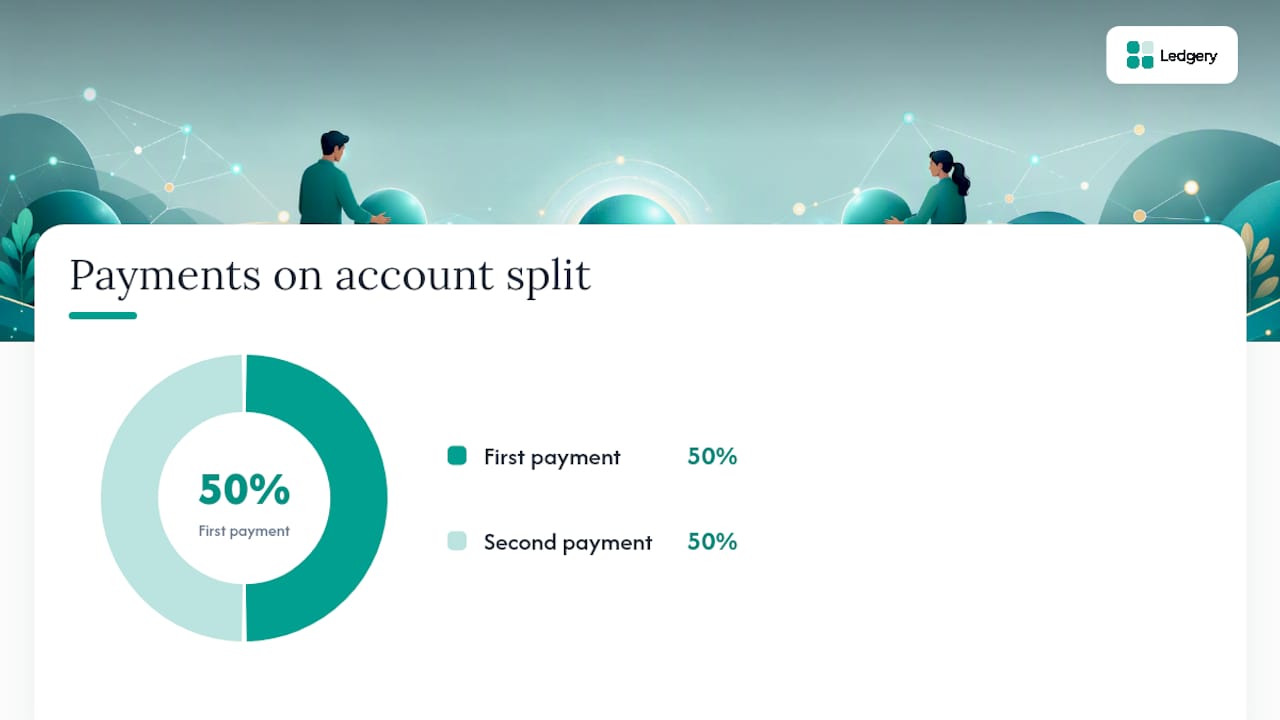
Payments on account are advance payments towards your next tax bill. Each payment is half your previous year’s bill. The first is due on 31 January 2027 (alongside the balancing payment) and the second on 31 July 2027. The Low Incomes Tax Reform Group provides a clear explanation of how these work for those with variable income.
Accepted payment methods include online banking, debit card via the HMRC portal, and BACS transfer. Bank transfers can take three working days to clear, so allow time before the deadline. Debit card payments via the HMRC portal are typically same-day. Credit card payments are not accepted.
Before making a payment, work through this checklist:
- Confirm the exact amount due, including any payments on account.
- Use your 10-digit UTR as the payment reference.
- Check your bank account has sufficient funds, including for both January payments if applicable.
- If you cannot pay in full, contact HMRC to discuss a Time to Pay arrangement before the deadline passes.
- Keep a record of the payment confirmation.
Penalties, interest and how HMRC enforces late filing or payment
The penalty structure for late filing is automatic and escalates over time.
HMRC penalty schedule for late Self Assessment returns: Miss the deadline and a £100 penalty applies immediately. After 3 months, daily penalties of £10 per day can apply (up to 90 days, so up to £900). After 6 months, a further penalty of 5% of the tax due or £300 (whichever is greater) is added. After 12 months, another 5% or £300 penalty applies. In serious cases, HMRC can charge up to 100% of the tax due at the 12-month stage.
Source: SA211 Notes 2026, HMRC
Filing late does not stop interest accruing on unpaid tax. Interest runs from 31 January 2027 on any outstanding balancing payment, regardless of when the return is eventually submitted.
The practical point is that filing late and paying late are two separate problems, each with its own cost. Filing as soon as possible after a missed deadline limits the daily penalties, but it does not cancel interest already accrued on unpaid tax.
If you miss a deadline: immediate steps, appeals and limiting further penalties
Missing a deadline does not mean the situation is unmanageable. Acting quickly reduces the total cost.
- File immediately. Every day of delay after the three-month mark adds £10 in daily penalties. Submit the return as soon as possible, even if you cannot pay the tax owed at the same time.
- Pay what you can. Partial payment reduces the interest and surcharge base. Pay the amount you have now and arrange the rest.
- Note your reference numbers. Keep records of when you filed, what you paid, and any correspondence with HMRC.
- Contact HMRC to discuss Time to Pay. If you cannot pay in full, HMRC can arrange an instalment plan. Call the Self Assessment helpline or use your online tax account. Do this before further penalties apply.
- Consider an appeal if you have a reasonable excuse. HMRC accepts appeals for penalties where there is a genuine reason for the delay, such as serious illness, a bereavement, or a technical failure with HMRC’s own systems. You must appeal within 30 days of the penalty notice.
When contacting HMRC or a tax adviser, have the following ready: your UTR, National Insurance number, details of income and expenses for the relevant year, evidence supporting any reasonable excuse, and records of any payments already made.
If HMRC sent you a late notice to file, your deadline may have been set at three months from that notice date rather than 31 January. Check the notice carefully before assuming you have missed the standard deadline.
Practical ways to avoid missing deadlines: bookkeeping, timing and tools
The most reliable way to avoid a missed deadline is to file well before January. HMRC confirms you can submit from 6 April, and filing in April or May gives you months of buffer. If your accounts are not finalised, use provisional figures and amend later within the 12-month window. This approach is accepted and removes the risk of a last-minute technical failure or missing paperwork causing a late submission.
A consistent bookkeeping routine throughout the year makes early filing realistic. Capturing receipts as they occur, rather than gathering them in January, means your figures are ready when you need them. A quarterly review, aligned with Making Tax Digital quarterly update periods, keeps records current and reduces the end-of-year workload significantly.

Software that automates receipt capture, generates quarterly summaries, and sends deadline reminders removes the reliance on memory and manual calendar entries. Platforms designed for self-employed individuals and landlords can flag the 5 October registration deadline, the 30 December PAYE collection cut-off, and the 31 January payment date well in advance. Using e-filing tools that support early submission also reduces the risk of portal congestion in late January.
Pro Tip: Run a PAYE collection eligibility check in late November. If you qualify, file online by 30 December and spread the cost through your tax code. If you do not qualify, you have time to arrange payment before 31 January without rushing.
A note on staying ahead of the deadlines
The pattern that causes most problems is treating Self Assessment as a January task. The tax year ends 5 April. The return can be filed from 6 April. Spreading the work across the year, with software handling the routine capture and reminders, means January becomes a confirmation step rather than a crisis.
Ledgery takes the pressure off Self Assessment deadlines
Missing a Self Assessment deadline costs money. Ledgery is built to prevent that, specifically for self-employed individuals and landlords who do not want to spend January scrambling for receipts.
Ledgery’s receipt scanning captures expenses as they happen, so your figures are ready long before the filing window closes. Quarterly HMRC-ready summaries mean you are not building your return from scratch in January. Built-in deadline reminders cover the key dates: 5 October registration, 30 December PAYE cut-off, and 31 January payment. The first quarter is free, so you can see how it fits your workflow before committing to a subscription.
Start your free trial at Ledgery and have your 2025–26 figures organised well before the January deadline.
Sources
The dates and penalty figures in this article come from official HMRC publications. Check the GOV.UK pages directly for the latest tax-year-specific updates, as dates can shift when a deadline falls on a weekend or bank holiday.
- Short tax return notes 2026 (SA211 notes) - GOV.UK (PDF)
- Gov
- Self assessment and tax returns - Low Incomes Tax Reform Group
This article provides general information about UK Self Assessment deadlines and is not a substitute for professional tax advice. Confirm current dates and your specific obligations with HMRC or a qualified tax adviser.
Recommended
Self-employment and property income in one subscription, first quarter free. Join the early access list and we’ll email you once, when it opens.
Join early access